
Explore the false ceiling design for living rooms and understand what gets missed often when it comes to lighting, layout, and planning.
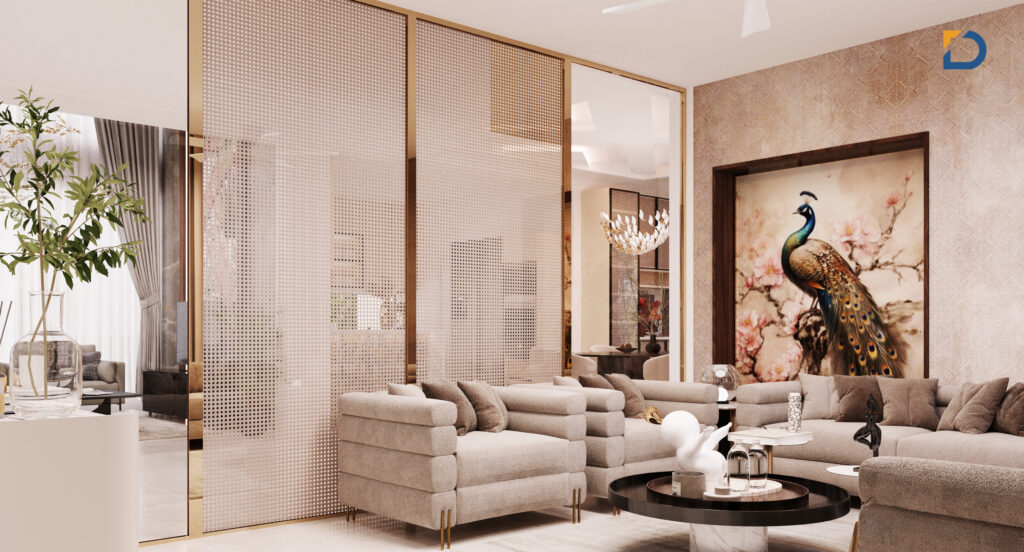
Why do Most Living Room Ceilings Look Good but Doesn’t Feel Right
The very first decision homeowners make when planning their living room is the False ceiling design. It’s easy to see why. Having a good false ceiling design instantly transforms the space and gives a finished look. With so many designs available online, choosing one feels like a good progress into the decision making.
Once the space is in use, the experience often tells a different story. The ceiling may look clean and well-designed, yet something feels definitely off. The lighting doesn’t sit right in the evening, certain corners feel dull, and other areas feel overly bright or flat. This isn’t a design problem. It’s a planning problem.
Most false ceiling issues don’t come from the design itself, but from what wasn’t considered before finalizing it.
The False Ceiling Design gives the Entire Space a Beautiful Shape
A false ceiling design is not just about the looks, but it affects the lighting, electrical planning, and how the room truly feels different at most times of the day. Once the design is fixed, the lighting positions are also fixed, and hence, making changes later usually leads to additional rework. This is why the false ceiling carries more weight than it seems.
Let’ s Start with How the Living Room Actually Works
Every living room tends to a different purpose. Some are used for guests, while others are active, everyday spaces. Some revolve around a TV, while others are designed for conversation and relaxation. These are the kind of differences that affect how lighting should function in the room.
A family space requires a softer, layered lighting that stays comfortable for longer hours, while a formal space leans more towards controlled brightness and visual impact. When this isn’t defined early, the ceiling design may look right on paper but will feel disconnected when experiencing it real at home.
The Lighting should Lead, Not Follow
A common mistake is choosing the ceiling design first and then fitting lighting into it, which almost always leads to a compromise because this will cause the lights to be positioned based on design constraints instead of actual need.
A more effective approach is to of course reverse the process. It should start with the lighting by identifying which space requires a certain focus, where the brightness is required, and, where the softer light works better. Once that is cleared, the ceiling design can be designed and built to support it, resulting in a space that feels more natural and balanced.
Why Spotlights Alone will Fall Short
The spotlights are frequently in false ceiling designs because they are clean, minimal and easy to place. However, depending just on spotlights will make the living room feel intense and glary, especially in the evening.
Having too many spotlights will create a harsh and uniform brightness, while too few will leave the space dull and out of balance. This issue is not just the spotlight itself, but the lack of a balanced setup. A well-lit living room uses a mix of lighting that covers for overall brightness, focused lighting in specific areas, and softer ambient lighting to create the depth. Without this mix, the space may look sharp but won’t feel comfortable.
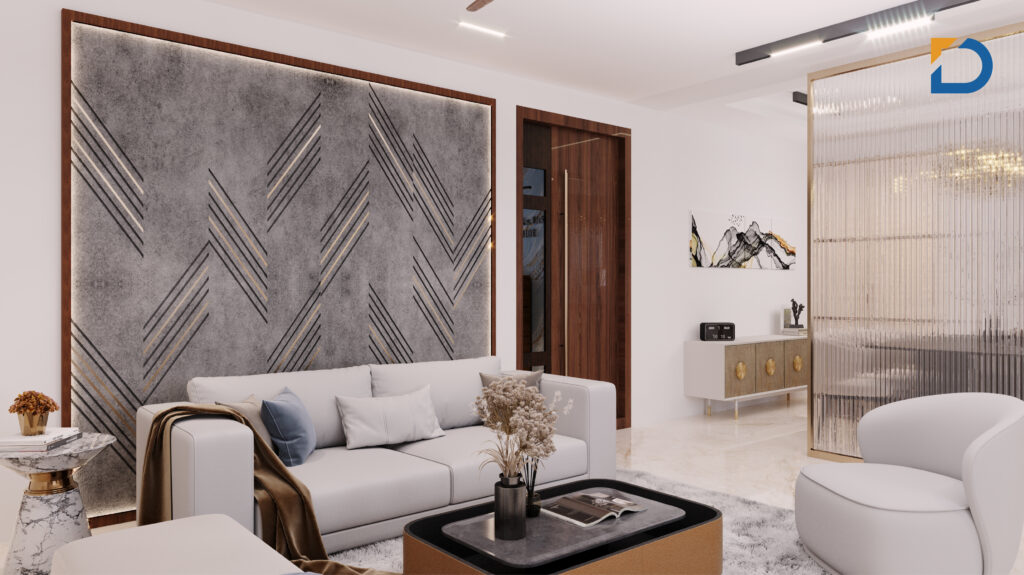
Hidden Lighting Needs Clarity of Purpose
Cove lighting and LED strips are usually added to enhance the ceiling, as they can introduce warmth and depth when they are used correctly However, in many homes they are included as a design feature rather than a functional element.
Therefore, this leads to either overpowering the space or becoming too subtle to make any real difference. Their brightness, placement, and purpose need to fit with the overall lighting plan. When done correctly, it will soften the space and add the required visual depth. If it’s used randomly, failing to understand the use, they become just another feature but ineffective.
Ceiling Height Matters More Than the Design Style
The ceiling designs work differently in different rooms. Every design will not work the same. In spaces with lower height, layered and heavy designs will make the room feel small and compressed. In rooms with ceiling height, overly simple designs may feel incomplete and empty.
Having the most attractive design is not enough, but the one that fits the proportions of the space is what works. When the scale is handled well, even a simple ceiling feels intentional and balanced.
Electrical Planning Defines the Usability
The lighting plan decision depends on the electrical plan behind it. If the electrical plan is not well thought out, even a good design becomes difficult to use.
Certain features should be thought through early such as the switch placement, lighting zones, and control options. Without this, you may end up with limited control or unnecessary complexity. A single switch for all lights reduces flexibility, while too many switches without a clear structure can feel confusing. Thoughtful planning ensures the space works smoothly in everyday use.
Small Decisions Shape the Everyday Experience
The difference between an average living room and a well-designed room is in the details. The details such as how the light falls, how the brightness shifts through the evening, and whether the space feels comfortable without constant adjustment throughout the day. All these affect everyday experience.
These are not the first things that anyone will notice when entering the space but how the space feels over time. This is why early planning is important as most of these decisions are made early even before the actual work begins.

Conclusion: Think Beyond the Design
False ceiling design for living rooms is often treated as a visual upgrade, but its impact goes far beyond appearance. It directly affects lighting, comfort, and how the space functions every day. Most issues people face later are not due to the design itself, but because the planning behind it was incomplete. Taking the time to align lighting and electrical considerations before finalizing the ceiling can make a noticeable difference.
If you’re designing your living room, this is one stage where careful planning leads to a better outcome.
Planning your home interiors?
Connect with Designeu to create a space that feels as good as it looks.